
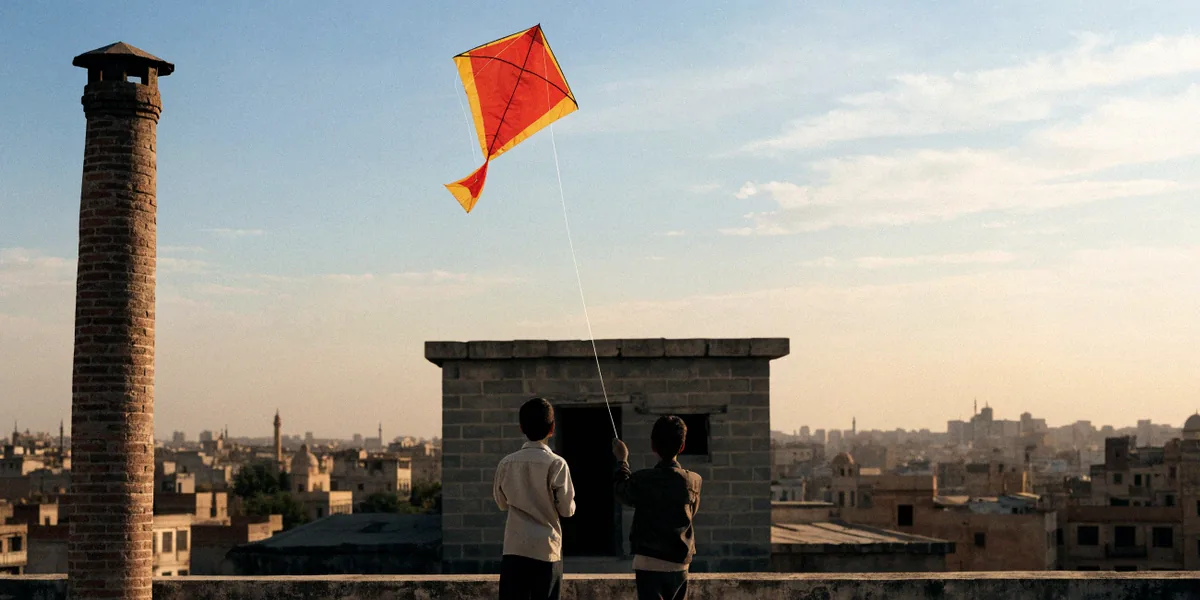
The Kite Runner: From Novel to Screen
There are books that stay with you long after the final page, and Khaled Hosseini’s The Kite Runner is one of them. When we first read it, we understood why it became a word-of-mouth phenomenon from Sydney to Perth. The story of Amir and Hassan, of betrayal and redemption, cut through cultural boundaries in a way few novels manage. So when news broke that a film adaptation was coming, we were equal parts excited and nervous. Could any director capture that emotional weight on screen? The answer arrived in 2007, and it brought with it a performance from Shaun Toub that we still talk about today. Here’s our deep dive into how The Kite Runner travelled from page to screen, and why it remains essential viewing for anyone who loves film and TV drama.
The Novel That Captured Hearts Worldwide
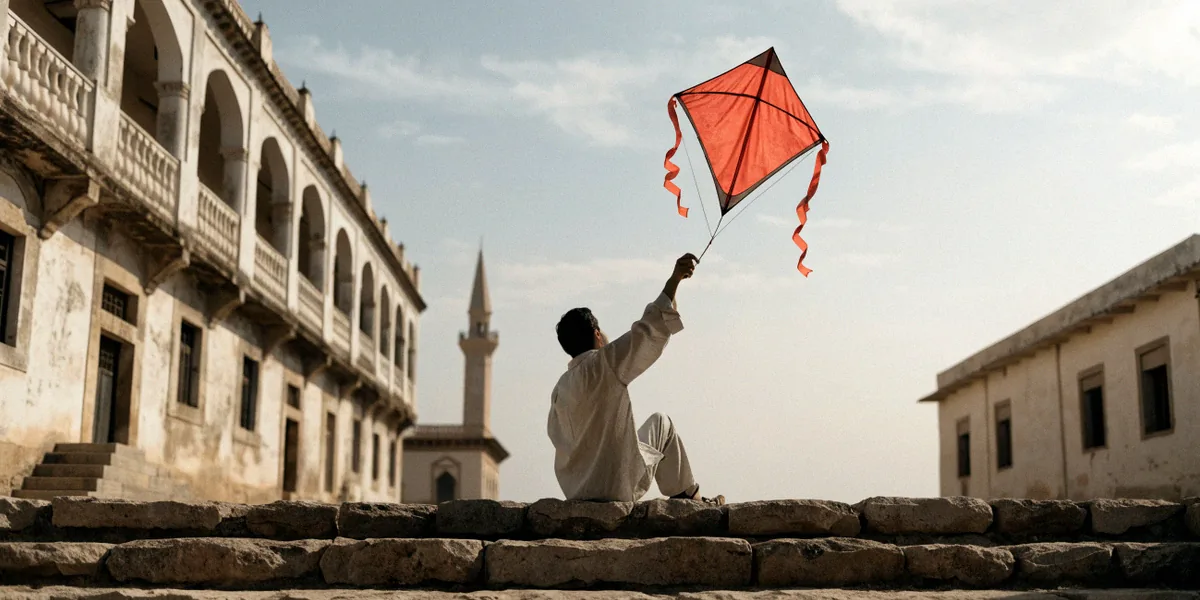
Khaled Hosseini published The Kite Runner in 2003, and it didn’t take long for it to become a global sensation. The novel tells the story of Amir, a boy from Kabul, and his complicated friendship with Hassan, the son of his father’s servant. It’s a story about cowardice and courage, about the secrets we keep and the price of redemption. For readers in Australia, the book offered a window into a country many knew only through news headlines, and it did so with warmth, specificity and heartbreak.
Plot and Key Characters
At its core, The Kite Runner follows Amir from his childhood in 1970s Kabul through to his adult life in California. The pivotal event of the novel involves a kite-flying tournament, a brutal assault, and Amir’s failure to intervene. That moment haunts him for decades. Key characters include Baba, Amir’s proud and principled father; Hassan, the loyal friend with the cleft lip; and Rahim Khan, Baba’s business partner who becomes a moral compass for Amir. The novel’s structure moves between past and present, building toward a journey back to Afghanistan that tests everything Amir believes about himself.
Critical Acclaim and Cultural Impact
The Kite Runner spent years on bestseller lists and was translated into dozens of languages. It became a staple of book clubs across Australia, and many schools added it to their senior English reading lists. The novel’s success also opened doors for other stories from the Afghan diaspora, proving that audiences were hungry for perspectives beyond the Western canon. We think its staying power comes down to its honesty — Hosseini doesn’t let anyone off the hook, least of all his protagonist.
Bringing The Kite Runner to the Big Screen
The film adaptation arrived in 2007, directed by Marc Forster, who had previously helmed Monster’s Ball and Finding Neverland. Forster brought a restrained, humanistic approach to the material, avoiding melodrama in favour of quiet observation. The screenplay, written by David Benioff, had to condense a sprawling narrative into roughly two hours, which meant tough choices about what to keep and what to cut.
Casting Decisions and Performances
Casting was a delicate process. The filmmakers needed young actors who could carry immense emotional weight, and they found them in Ahmad Khan Mahmidzada and Zekeria Ebrahimi as young Hassan and Amir. For the adult roles, they turned to experienced performers. Shaun Toub was cast as Baba, a role that required both commanding presence and vulnerability. Toub, who was born in Tehran and raised partly in Manchester, brought a lived-in authenticity to the character. His Baba is proud, stubborn, and ultimately loving — a man whose moral certainty sometimes blinds him to his son’s needs.
Filming Locations and Production Challenges
Filming in Afghanistan itself was considered too dangerous, so the production largely shot in Kashgar, China, which stood in for Kabul. The team also filmed in California and other locations. Security concerns, cultural sensitivities, and the logistical nightmare of recreating 1970s Kabul all added to the pressure. The kite-flying sequences, which are so central to the story, required careful choreography and visual effects to feel authentic. We have enormous respect for the crew who navigated these challenges to bring the story to life.
Shaun Toub’s Role as Baba: A Character Actor’s Craft
Shaun Toub is exactly the kind of performer this blog exists to celebrate: a character actor who elevates every project he joins. As Baba, he had to embody a man of contradictions — fierce, principled, sometimes emotionally distant, yet capable of profound love. Toub’s performance is a masterclass in restraint. He doesn’t oversell Baba’s frustration with Amir; he lets it simmer beneath the surface. And in the quieter moments, like Baba’s pride when Amir wins the kite tournament, Toub shows us a father trying, imperfectly, to connect.
Toub’s Approach to the Role
In interviews, Toub has spoken about the importance of understanding Baba’s cultural context. This is a man shaped by Afghan traditions of honour and masculinity, who finds himself displaced in America. Toub played those layers without making Baba a caricature. His chemistry with the young actors, particularly Zekeria Ebrahimi, gives the film its emotional anchor. We’d argue that the father-son dynamic is the film’s strongest thread, and that’s largely down to Toub’s generosity as a scene partner.
Reception and Awards Buzz
The film received generally positive reviews, with critics singling out Toub’s performance for praise. It didn’t dominate awards season the way some hoped, partly because the year was crowded with strong contenders, but it found a loyal audience. For Toub, the role cemented his reputation as a go-to actor for complex, culturally specific characters. It also introduced him to a wider audience, paving the way for the television work that would follow.
From Page to Screen: What Changed and What Stayed
Any adaptation involves compromise, and The Kite Runner is no exception. David Benioff’s script streamlined the novel’s sprawling timeline, cut several supporting characters, and softened some of the book’s most brutal moments. We understand why — certain scenes are almost unbearable on the page, and translating them literally to screen would have been overwhelming. The film also expands some of Baba’s scenes, giving Toub more to work with, which we think was a smart choice.
Key Differences in Plot and Character
One notable difference is the treatment of the assault scene, which is handled with more restraint in the film. The novel also spends more time on Amir’s life in America, including his marriage to Soraya, while the film rushes through some of those passages. Hassan’s presence looms large in both versions, but the film gives slightly more emphasis to the adult Amir’s quest for redemption. Some readers missed the novel’s quieter moments, but we think the film captures the spirit of the book effectively.
Thematic Consistency
What remains consistent is the core theme: the possibility of redemption, and the idea that it often requires returning to the place that broke you. The film also preserves the novel’s political backdrop, showing the impact of the Soviet invasion and the rise of the Taliban without turning into a history lesson. For Australian audiences, these elements resonate because they reflect universal questions about loyalty, guilt, and the courage to do better.
Where to Watch The Kite Runner in Australia
If you’re keen to revisit The Kite Runner or watch it for the first time, we’ve got you covered. Streaming availability changes regularly, so we recommend checking current listings, but here’s a snapshot of where Australian viewers can typically find the film.
Streaming Services and Rental Options
- Netflix Australia: The film has appeared on Netflix Australia in the past, though availability can rotate. It’s worth searching the platform directly.
- Stan: Stan has also carried The Kite Runner at various points, often as part of its drama catalogue.
- Rental platforms: Apple TV, Google Play, and Amazon Prime Video often offer digital rentals or purchases.
- Free-to-air: Occasionally, the film screens on SBS or ABC, so keep an eye on their schedules.
Physical Media and Library Availability
If streaming options are limited, the DVD and Blu-ray remain widely available through retailers like JB Hi-Fi and Amazon Australia. We also recommend checking your local library — many councils across Australia stock The Kite Runner in their film collections, and it’s a free way to watch. Some libraries even offer streaming services like Beamafilm or Kanopy, which occasionally include acclaimed international dramas.
The Kite Runner’s Legacy in Film and TV Drama
Nearly two decades on, The Kite Runner still holds up as a thoughtful, moving adaptation. It’s not a perfect film, but it’s an honest one, and it introduced many viewers to a story they might never have encountered otherwise. For us, its legacy is twofold: it demonstrated that stories from non-Western perspectives could find global audiences, and it showcased the talents of actors like Shaun Toub, who continue to enrich film and TV drama.
Impact on Adaptations and Representation
The film arrived at a time when Hollywood was still figuring out how to tell stories from diverse perspectives without resorting to stereotypes. The Kite Runner wasn’t perfect in this regard — some criticised the decision to cast non-Afghan actors in certain roles — but it opened conversations that continue today. We’ve seen more authentic casting in recent years, and while there’s still work to do, films like this helped push the conversation forward.
Toub’s Career Post-Kite Runner
Shaun Toub has since become a familiar face in acclaimed dramas. He appeared in Homeland, the Emmy-winning series about a CIA officer and a prisoner of war, which introduced him to a new generation of viewers. He’s also had roles in Iron Man, Crash, and the TV series Tehran, among many others. For us, his career is a perfect example of what character actors bring to the table: range, reliability, and the ability to make every scene feel grounded.
The Kite Runner remains a powerful adaptation, and Shaun Toub’s performance as Baba is one of its highlights. Whether you’re drawn to the novel’s themes, the film’s craftsmanship, or Toub’s quiet brilliance, there’s plenty to appreciate. We encourage you to revisit the film, explore the book if you haven’t already, and seek out other dramas that tackle difficult subjects with honesty. And if you’re a fan of character actors, keep an eye on Toub’s work — he’s the kind of performer who makes everything he’s in just a little bit better.
FAQ
Is The Kite Runner film faithful to the novel?
It’s a reasonably faithful adaptation, though it condenses the timeline and softens some of the novel’s most intense scenes. The core themes and character arcs remain intact.
Who plays Baba in The Kite Runner film?
Shaun Toub plays Baba, Amir’s father. His performance is widely regarded as one of the film’s strongest elements.
Where can I stream The Kite Runner in Australia?
It has appeared on Netflix Australia and Stan, though availability rotates. You can also rent it digitally through Apple TV, Google Play, or Amazon Prime Video, or check your local library.
What other TV shows has Shaun Toub appeared in?
Toub has appeared in Homeland, Tehran, and many other acclaimed dramas and films, including Iron Man and Crash.
Was The Kite Runner filmed in Afghanistan?
No, due to safety concerns, the film was primarily shot in Kashgar, China, which stood in for Kabul, along with locations in California.