
Self-Tape Auditions Over the Holidays: Setting Up a Home Studio
It’s 27 December. You’re halfway through a leftover pavlova when your phone buzzes: your agent needs a self-tape by tomorrow morning for a recurring role on a Stan production. The house is full of relatives, the spare room is stacked with Christmas presents, and your “studio” is a phone propped against a fruit bowl. Sound familiar? Every summer, Australian actors face the same festive-season curveball. The good news is you don’t need a professional studio to deliver a professional audition—you need a plan, a few key pieces of gear, and about an hour of setup. Here’s how we approach it.
Why the Holidays Are Prime Time for Self-Tapes
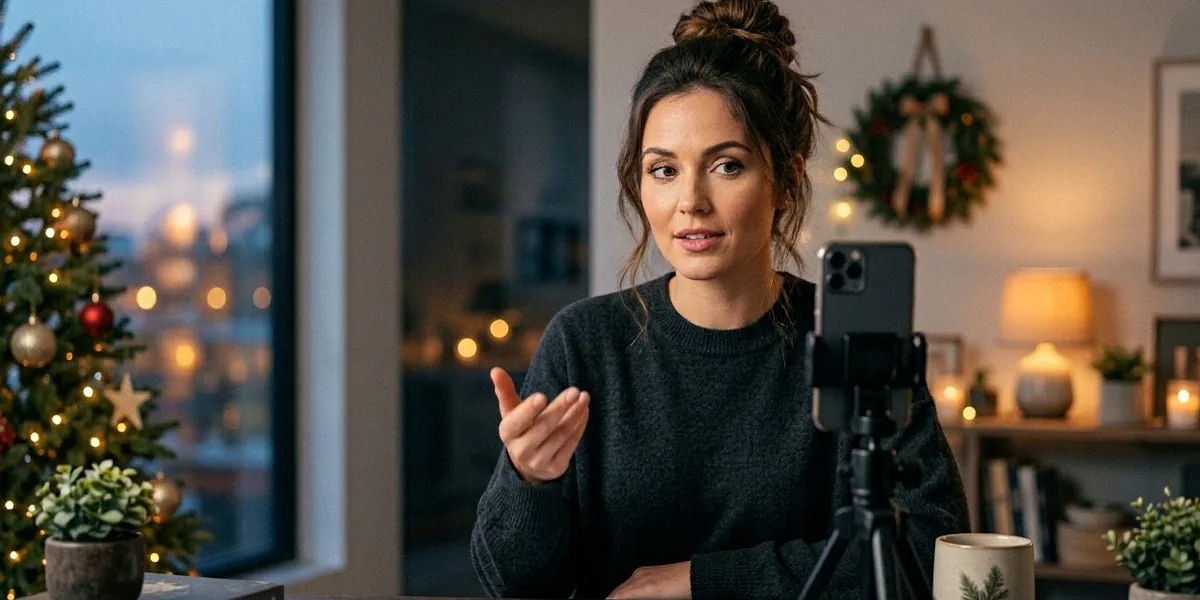
Many actors assume the industry shuts down from mid-December to late January. It doesn’t. Casting briefs still land, productions still lock in talent, and self-tape auditions are now the default first-round format for most Australian casting directors. If you’re serious about your craft, the break is an opportunity, not a dead zone.
The Australian Screen Industry Doesn’t Stop
Screen Australia regularly announces production funding across the summer period, and streaming commissions for platforms like Stan often move quickly to hit shooting schedules in the new year. That means casting directors are reviewing tapes while you’re at the beach. Productions for ABC and Foxtel have also been known to cast over January to meet tight turnarounds. Agents we work with consistently report that the actors who respond fastest and cleanest over the holidays are the ones who get remembered in February.
Advantages of Auditioning from Home
There’s an upside to the festive self-tape. You control the environment, you can rehearse as many times as you like before hitting record, and you avoid the nerves of a packed waiting room. You also sidestep travel time—a real bonus if you’re regional and the casting office is in Sydney or Melbourne. Use the quiet of the holidays to your advantage rather than fighting it.
Essential Gear for a Pro Home Studio
You don’t need a cinema camera. You need gear that makes you look and sound like a working professional. Here’s the shortlist we recommend to actors building a home setup.
Camera and Tripod Setup
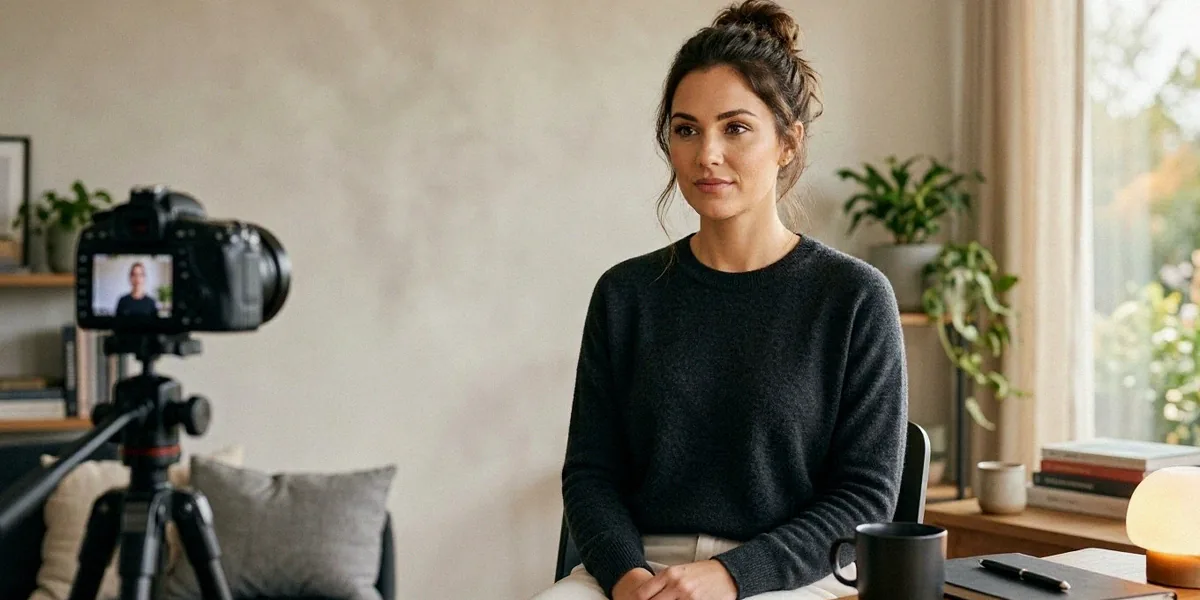
Your smartphone is genuinely fine—modern iPhones and Samsung Galaxy models shoot broadcast-quality video. If you have a DSLR or mirrorless camera, even better. What matters more than the camera is stability. A tripod is non-negotiable; a shaky handheld tape reads as amateur. If you’re buying last-minute, JB Hi-Fi and Camera House both stock tripods and phone mounts, and many stores run Boxing Day sales. Set your camera to shoot landscape, at eye level, framing you from mid-chest to just above your head.
Audio: Clear Sound Matters
Casting directors will forgive a slightly soft image. They will not forgive muddy audio. An external microphone makes an enormous difference, and Rode microphones—an Australian brand, conveniently—are the industry standard for home setups. The Rode Wireless GO II or a simple lavalier plugged into your phone will outperform your built-in mic every time. Test your audio before every tape by recording thirty seconds and playing it back through headphones.
Lighting on a Budget
You don’t need a full lighting rig. A soft light source positioned slightly off-centre, about a metre from your face, will do the job. Window light works beautifully if you shoot in the morning or late afternoon—just avoid harsh midday sun. If you’re buying, LED panels or ring lights from JB Hi-Fi or Camera House start around $50 and are worth every cent. Avoid overhead downlights, which cast unflattering shadows under the eyes.
- Smartphone or DSLR with a clean lens
- Sturdy tripod or phone mount
- External microphone (Rode is a safe bet)
- Soft LED light or a well-positioned window
- Headphones for audio playback checks
Setting Up Your Space for Success
Where you shoot matters as much as what you shoot with. A cluttered background, a barking dog, or a ceiling fan whirring in the background can sink an otherwise strong tape.
Background and Framing
Choose a plain wall in a neutral colour—white, grey, or soft blue works well. Avoid busy wallpaper, bookshelves, or anything with visible logos. If your walls are less than ideal, a simple backdrop cloth or even a well-ironed bedsheet will do. Frame yourself so your eyes sit roughly one-third from the top of the frame. Leave a little headroom, but not so much that you look tiny.
Minimising Noise and Interruptions
Summer in Australia means air conditioners, cicadas, and the occasional thunderstorm. Turn off the aircon during your take if you can bear the heat for a few minutes. Choose a room away from the kitchen and the television. Put a note on the door. If you have pets, ask someone to keep them occupied. And if a summer storm rolls in, wait it out—rain on a tin roof is charming in real life and disastrous on tape.
Nailing the Self-Tape Performance
Gear is only half the equation. Australian casting directors—whether they’re casting for ABC dramas or Foxtel comedies—consistently say they’re looking for authenticity and preparation, not perfection.
Eyeline and Slate
Your eyeline should be just to the side of the lens, not directly into it, unless the brief specifies otherwise. This mimics the feeling of a reader in the room. For your slate, state your name, your agent (if requested), and your height clearly and confidently. Keep it brief. Don’t add jokes or commentary.
Taking Direction and Adjusting
If the brief includes direction or a note from the casting director, follow it precisely. If they ask for a second take with a different emotional beat, deliver a genuinely different read—not just a louder version of the first. Show them you can be directed. That’s often what separates a callback from a pass.
Post-Production and Submission
Once you’ve got a take you’re happy with, the job isn’t done. How you package and submit your tape matters.
Editing and File Formats
Keep it simple. Trim the top and tail, check your audio levels, and export in MP4 or MOV format at 1080p. Most phones and free editing apps like iMovie or CapCut can handle this in minutes. Name your file clearly: FirstName_LastName_ProjectName.mp4. Don’t send raw files with camera-generated names.
Uploading and Notifying Your Agent
Most Australian casting submissions go through platforms like Casting Networks or Showcast. Your talent agent will usually have specific instructions—some prefer Vimeo links, others want direct uploads to Casting Networks. Follow their guidelines exactly. Once submitted, send a short, professional email to your agent confirming the upload and thanking them for the opportunity.
Troubleshooting Common Holiday Hiccups
Things go wrong over the holidays. Here’s how we handle the most common issues.
When Technology Fails
If your camera dies, your mic cuts out, or your internet drops mid-upload, don’t panic. Have a backup: a second phone, spare batteries, and a mobile hotspot. If your upload fails, try a different network or compress the file slightly. Then email your agent immediately to explain the delay—they’d rather know than wonder.
Managing Family and Festivities
Relatives may not understand that you’re working. Be upfront: tell them you need thirty minutes of quiet at a specific time. Most will happily oblige. If your home is genuinely chaotic, consider asking a friend with a spare room, or book a quiet co-working space for an hour. Whatever you do, don’t shoot your tape with a Christmas lunch happening in the next room.
FAQ
Do I really need an external microphone for a self-tape?
Yes, if you can manage it. Rode microphones and similar options are affordable and dramatically improve clarity. Casting directors consistently rank audio quality above image quality when assessing tapes.
Can I use my phone instead of a DSLR?
Absolutely. Most modern smartphones shoot excellent 1080p or 4K video. Pair it with a tripod, good lighting, and an external mic, and you’re set.
Where can I buy last-minute gear over the holidays?
JB Hi-Fi and Camera House are reliable options, and both often run Boxing Day and New Year sales. Online retailers with express shipping can also work if you order early enough.
How should I submit my self-tape to my agent?
Follow your agent’s specific instructions. Most Australian submissions go through Casting Networks or Showcast, but some agents prefer Vimeo or Dropbox links. Always confirm receipt.
With a bit of preparation, the right gear, and a calm approach, you can deliver a standout self-tape even in the middle of the holiday chaos. Set up your space, test your sound, rehearse your slate, and stay ready—because the Australian screen industry doesn’t take a summer break, and neither should your career.